Genre blend strategy: New artist genre blend strategy tips
"The evolution of sound often requires breaking the boundaries of a single style to create something entirely new."
New artist genre blend strategy involves merging diverse musical influences to establish a unique sonic identity in a crowded market. This approach helps rising musicians find niche audiences while building broader appeal through hybridity.
Key takeaways include understanding meta-genres, managing concert timelines, and utilizing various engagement strategies.
Why do artists choose a new artist genre blend strategy?
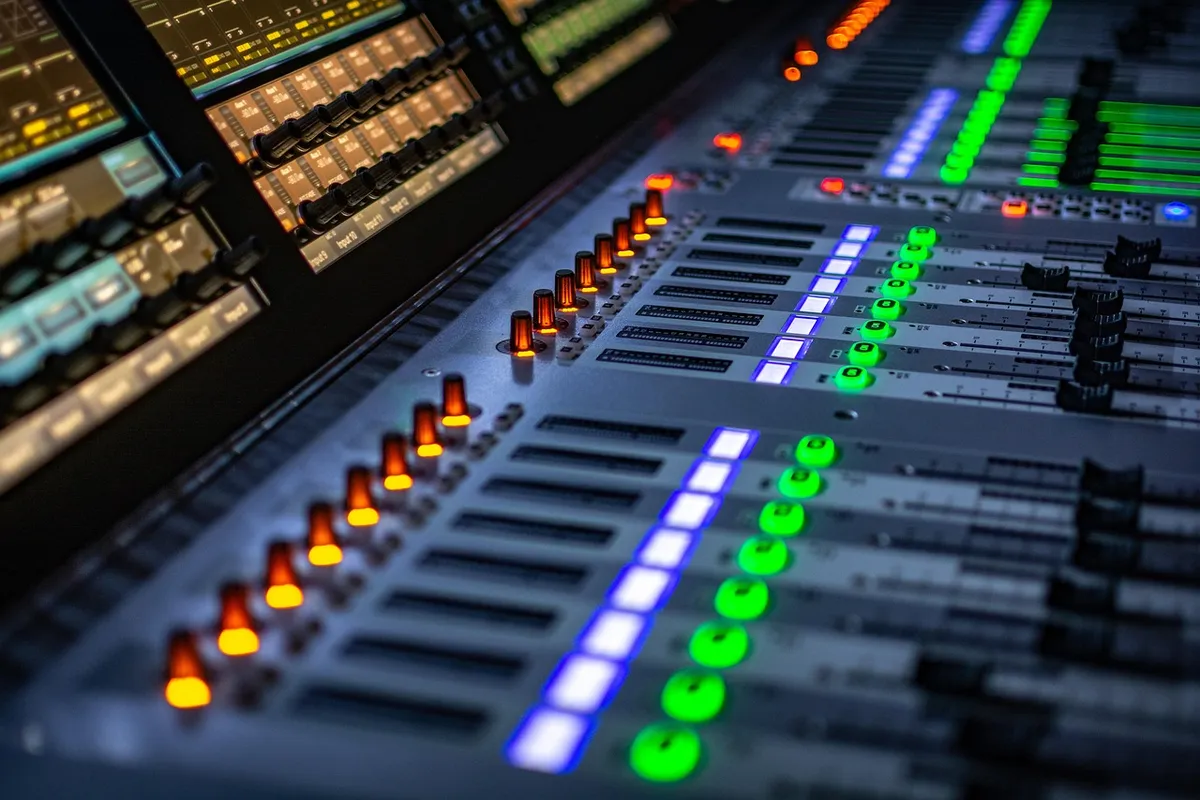
At midnight in the dimly lit studio, the musician's fingers tremble as they twist the dials to master a new artist genre blend strategy.

A musician stands in a quiet studio, adjusting a synthesizer to blend smooth ambient textures with heavy rhythmic beats. They are searching for a sound that feels both familiar and entirely fresh to listeners.
In the evolving music landscape, a new artist genre blend strategy allows performers to transcend narrow classifications. By combining disparate elements, artists can create a "meta-genre" that encompasses multiple styles simultaneously.
According to the Vaporwave News Network in 2025, the term "vapor" serves as an umbrella genre, reflecting a concept defined in Roy Shuker's book *Popular Music Culture: The Key Concepts*. This flexibility allows artists to pivot between sounds without losing their core identity.
However, this approach may be less effective if the blend lacks a cohesive sonic identity.
How does genre mixing music trends shape the industry?
A producer sits at a desk, layering a lo-fi beat over a jazz piano melody to see how the two worlds collide. They watch the waveform on the screen, looking for the perfect intersection of rhythm and atmosphere.
The rise of genre mixing music trends has changed how audiences consume much of today's digital catalog.
Artists often draw from unexpected sources, such as how the Plugg style was inspired by Zaytoven, Project Pat, Juicy J, Gucci Mane, the snap rap group D4L, and the *Paper Mario* Nintendo soundtrack.
These diverse influences create a layered listening experience that satisfies different listener moods. This trend forces the industry to move away from rigid radio-friendly formats toward more fluid, experimental productions.

This shift does not necessarily guarantee long-term market dominance for every emerging sound.
What are the effective artist genre fusion tactics for growth?
A young singer walks through a crowded venue, observing how different fan groups react to various song transitions. They realize that the way they bridge genres is just as important as the melodies themselves.
Effective artist genre fusion tactics often involve creating immersive environments through specific sub-genres. For instance, Slushwave acts as the ambient branch of vaporwave, focusing on creating immersive soundscapes with extended tracks that often exceed 10 minutes.
This type of sonic architecture allows an artist to build a deep, atmospheric connection with their audience. By mastering these extended forms, artists can establish a signature mood that defines their brand.
- Identify core elements of existing genres to blend. 2. Introduce subtle stylistic deviations to maintain familiarity. 3. Scale the new sound through collaborative projects.
How can a new music style strategy work for live performances?
An organizer prepares a small stage, arranging lights to complement the intimate setting of a local club. They check the guest list, ensuring the transition from music to fan interaction is seamless.
Developing a new music style strategy requires careful planning for live engagement to ensure the sonic identity translates to a physical space. When artists perform, they must balance their experimental sounds with the practicalities of a live set.
For those attending small events of 100-300 people, the focus shifts to intimacy. In these settings, fans can meet the artist face-to-face, get an album signed, or exchange brief words for 10-30 seconds.
| Strategy | Pros | Cons |
|---|---|---|
| Arrive early (6+ hours) | Best selection | Long wait |
| Skip merch | No waiting | Missing items |
| Buy online later | Convenient | May be sold out/expensive |
I often find that arriving 2 hours early is the best balance for managing my own schedule while still securing a good spot.
The second step in this process requires the most technical preparation.
What is the role of hybrid music development in fan engagement?
A fan holds a limited edition vinyl, feeling the weight of the music in their hands while listening to a complex track. They recognize the unique blend of sounds that sets this artist apart from the mainstream.
Successful hybrid music development relies on understanding the timeline of fan interaction and concert logistics. For those following a specific artist, the timeline often begins 4-8 weeks before a concert announcement.
This is followed by fan club presales 2-3 weeks before the event and general sales 1-2 weeks before. Understanding these windows helps fans engage with the artist's evolving style.
If you manage to get in, it is an incredible experience to see an artist perform the same song 2-3 times for different camera angles.
This strategy is not applicable when the target audience prefers strictly traditional genre boundaries.
How do artists manage the transition of their sound?
A songwriter flips through a notebook filled with lyrics that jump from soulful poetry to rhythmic rap. They are mapping out the emotional arc of a concept album that defies single-genre categorization.
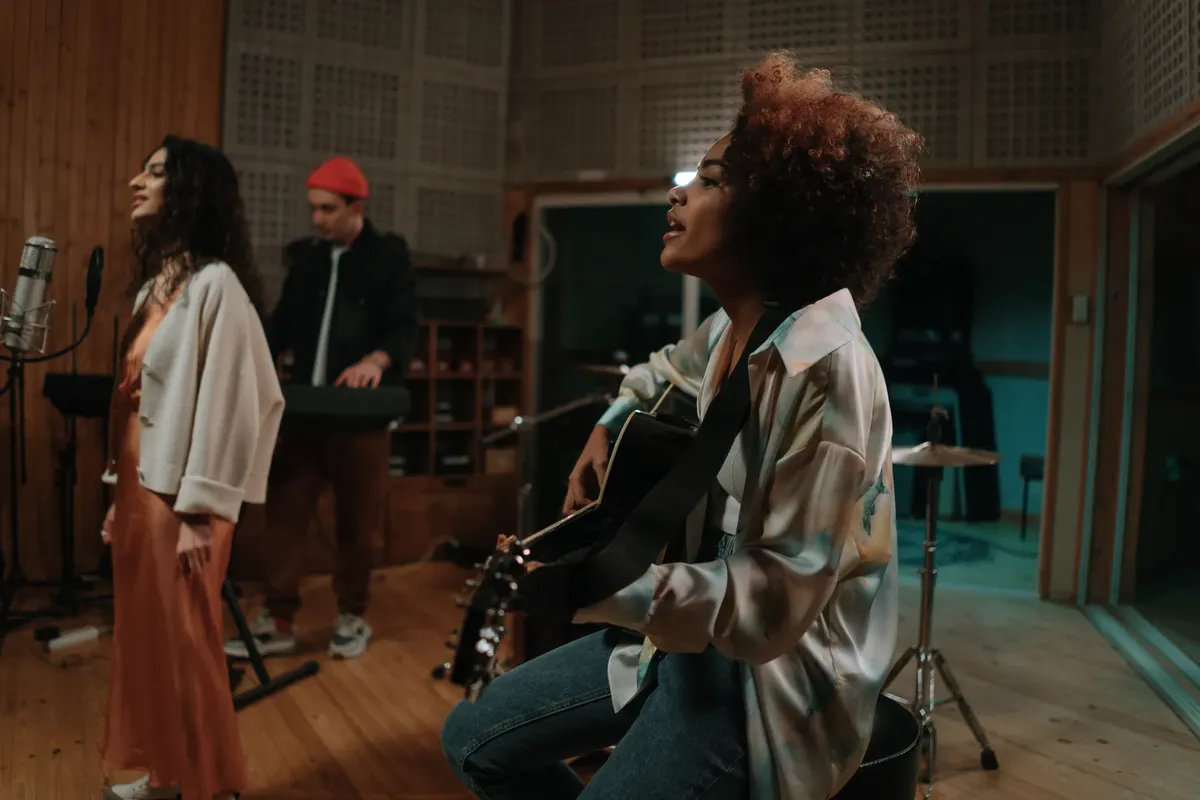
Managing the transition of a sound involves balancing the old with the new to keep the existing fanbase engaged. This process requires a clear understanding of how much experimentation a listener can handle before the core identity is lost.
Artists must decide when to lean into a specific sub-genre and when to broaden their scope. As the industry continues to shift, the ability to navigate these boundaries will define the next generation of influential musicians.
The transition may be difficult if the artist's brand is too deeply tied to a single genre.
- Why do artists choose a new artist genre blend strategy?
- How does genre mixing music trends shape the industry?
- What are the effective artist genre fusion tactics for growth?
Related
- New artist genre fusion sound tips for modern production
- What defines the new music talent rise in recent years?
How does the evolution of sound impact artistic longevity?
The evolution of sound necessitates that artists maintain a delicate balance between innovation and recognition. Artists must consider the condition under which their core identity remains recognizable even as they incorporate new sonic elements.
This balancing act determines how long an artist's unique sound remains relevant to a shifting audience.
- Artists must decide when to lean into a specific sub-genre to build a strong initial sound. 2. They must simultaneously know when to broaden their scope to avoid stagnation. This navigation of boundaries is crucial for sustained influence.
What cautions exist when merging musical styles?
Caution must be exercised when blending genres to avoid alienating the established fanbase. The process of merging diverse musical influences carries the risk of losing the initial appeal that attracted listeners. Artists must manage this risk while pursuing a fresh sound.
For those managing the transition of their sound, a clear understanding of listener tolerance for experimentation is vital. If the experimentation becomes too extreme, the core identity of the artist's sound may dissolve entirely.





Comments 0