How did mass media shape the trot genre evolution?
"The term can also apply to music that has originated with an individual composer and has subsequently been absorbed into the unwritten, living tradition of a community."
Exploring the evolution of a genre requires looking at how personal compositions transform into shared cultural identities. This article examines the rise of trot through mass media expansion, its massive viewership peaks, and its place within the broader context of living traditions.

* The impact of television ownership on genre popularity. * The intersection of individual composition and communal tradition. * The scale of modern audience participation in music programming.
How did mass media shape the trot genre evolution?
A small radio in a living room once served as the primary bridge between an artist and a listener. In the late twentieth century, the rapid expansion of household technology fundamentally shifted how music reached the public.
The shift in media accessibility played a decisive role in how music traveled. Household ownership of televisions rose rapidly from 6.4% in 1971 to 83.1% in 1980, so the pop artists gained more space to present themselves to the public.
This technological surge allowed specific sounds to move from local niches to national prominence.
As the screen became a fixture in every home, the music it broadcasted became a shared language. This era of growth established the groundwork for how artists could reach vast audiences simultaneously.
- Broadcast platforms introduced the genre to a national audience.
- Television variety shows popularized specific vocal styles.
- Digital streaming shifted the focus toward visual performance.
What defines the transition from traditional music modern to living tradition?
An old melody played on a single instrument can slowly become the heartbeat of a whole village. Understanding the movement of music requires looking at how a single song can become a communal staple.

The distinction between a written score and a lived experience is often fluid.
The International Folk Music Council definition allows that the term can also apply to music that has originated with an individual composer and has subsequently been absorbed into the unwritten, living tradition of a community. This process allows a melody to grow beyond its creator.
When a song moves from a composer to a community, it gains a new layer of meaning. This transition ensures that the music remains relevant to the people who sing it.
In this sequence, the second step is the most extensive.
How does music trend trot reflect viewer engagement?
The bright lights of a television studio often focus on a single performer under a spotlight. During high-stakes broadcasts, the sheer volume of engagement can turn a single program into a national event.
Modern broadcasting has turned music consumption into an interactive experience.
One specific program saw trot surpass a 30 percent viewership rating, with the highest reaching 35.7 percent, and over 7.7 million text message-based votes were cast during the two-hour program, a record for TV audition shows.
Such numbers demonstrate the deep connection between the audience and the performer.
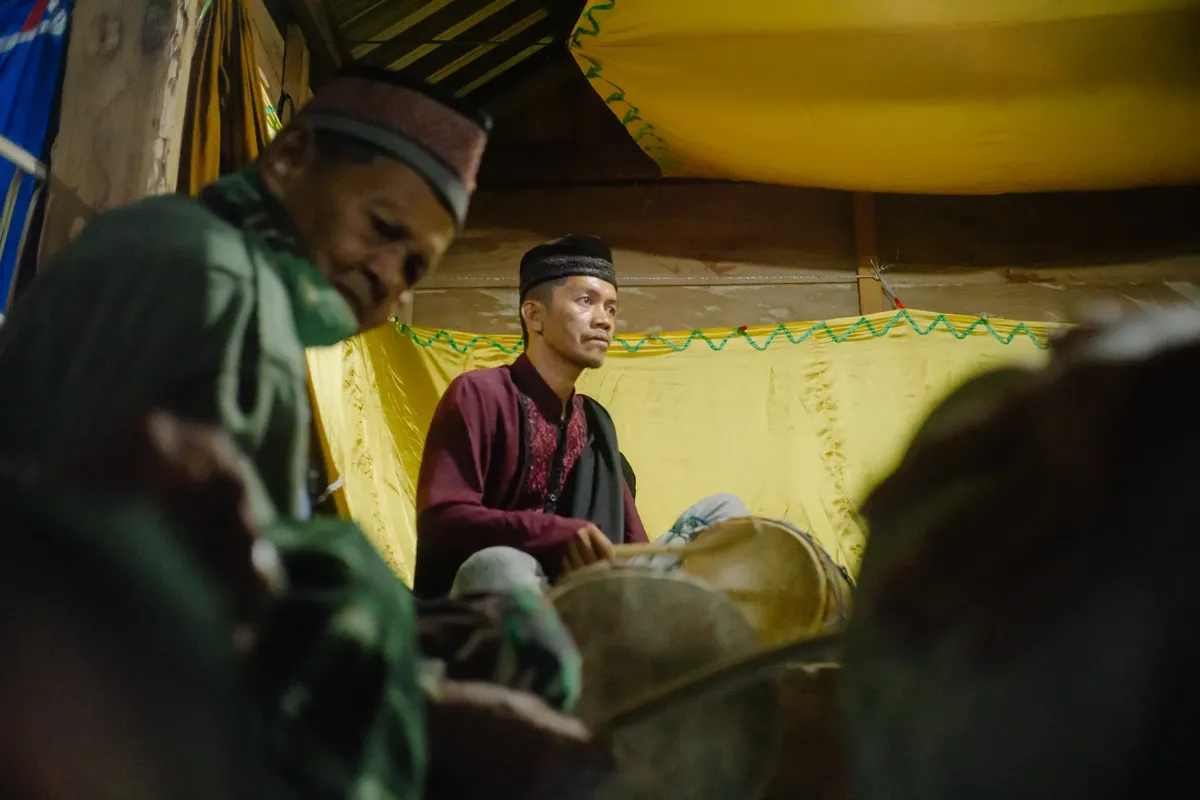
The massive scale of these numbers highlights the cultural weight of the genre. It shows that the music is not just heard but actively participated in by millions.
What is the role of artist cultural impact in preserving heritage?
A single singer standing on a stage can influence the tastes of an entire generation. The influence of an artist often extends far beyond the music itself, touching upon identity and heritage.
The way artists interact with their history can protect or change the genre. Ethnomusicologists notes that the Intangible cultural heritage program organized by UNESCO stands among the principal measures implemented by governments which protect regional music traditions from disappearing.
This global recognition emphasizes the importance of safeguarding unique musical expressions.
By engaging with these frameworks, artists can help ensure their music remains part of a recognized heritage. This balance between novelty and tradition keeps the genre alive.
How does the intersection of trot and modern fusion work in practice?
A musician might pick up an electric guitar to play a melody that was written a century ago. This blending of old and new creates a unique sound that appeals to various age groups.
To understand the practical application of these shifts, one can look at the following elements:
- The adoption of modern instrumentation to support traditional vocal styles. 2. The use of digital platforms to distribute sounds originally meant for local gatherings. 3. The integration of contemporary production techniques into classic melodic structures.
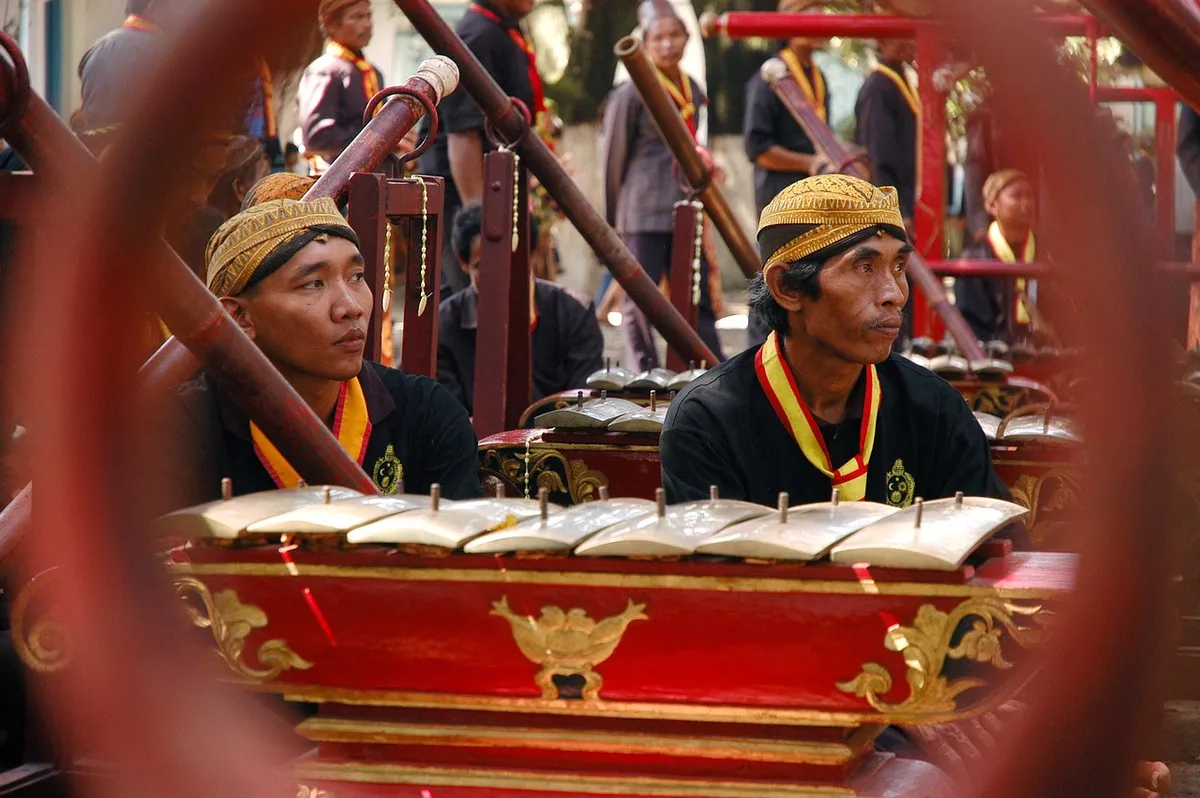
I observed how the massive scale of digital voting and television viewership could turn a single melody into a shared national moment. This process validates the transition from a private composition to a public tradition.
The limitation of this analysis is that it focuses on the broad cultural shifts and viewership data rather than the specific technical musicology of individual compositions.
Trot music cultural insight
The subject here is Trot music cultural insight.
This part also covers Music industry changes.
This part also covers Copyright in trot music.
Related





Comments 0