K-POP music copyright trends: Best tips for artist rights
"The industry has undergone massive shifts, moving from local chart dominance to global economic significance through standardized contracts and digital expansion."
The K-POP music copyright trends involve a transition from localized hits to massive international market influence through regulatory changes and digital distribution. This overview covers the shift in contract culture, the impact of global streaming, and the evolution of song composition.

Key takeaways include the importance of fair agency contracts, the rise of digital-first visibility, and the economic weight of top-tier artists.
How did the market scale influence K-POP music copyright trends?
Late at night in the dim studio, the producer wipes sweat from his brow while adjusting the heavy bass of the music.
A producer sits in a quiet studio, adjusting a digital slider on a mixing console to balance a heavy bassline. The scale of the market has expanded so significantly that intellectual property now carries immense weight in national economies.
By 2019, the International Federation of the Phonographic Industry (IFPI) listed South Korea as the 6th largest music market in the world, with BTS alone accounting for $4.65 billion, or 0.3%, of South Korea's GDP.
This massive economic footprint means that copyright management and artist rights are no longer just industry concerns but significant macroeconomic factors. The sheer volume of revenue generated by single artists demonstrates how much is at stake regarding ownership and distribution rights.
Why did the industry implement new regulations for K-POP rights evolution?
An attorney reviews a thick stack of paper contracts, highlighting specific clauses regarding trainee obligations. To protect the growing workforce, regulatory bodies stepped in to balance the power between talent and management.
The Fair Trade Commission states that they believe these changes will "result in a more just contract culture within the entertainment industry between trainee and agency." These legal frameworks aim to prevent exploitative terms that historically plagued the industry.
This shift toward fairness is a cornerstone of K-POP rights evolution.
How does digital presence shape Music IP in K-POP?
A fan watches a music video on a smartphone, pausing to capture a screenshot of a synchronized dance move. The move toward digital platforms has fundamentally changed how intellectual property is consumed and shared.
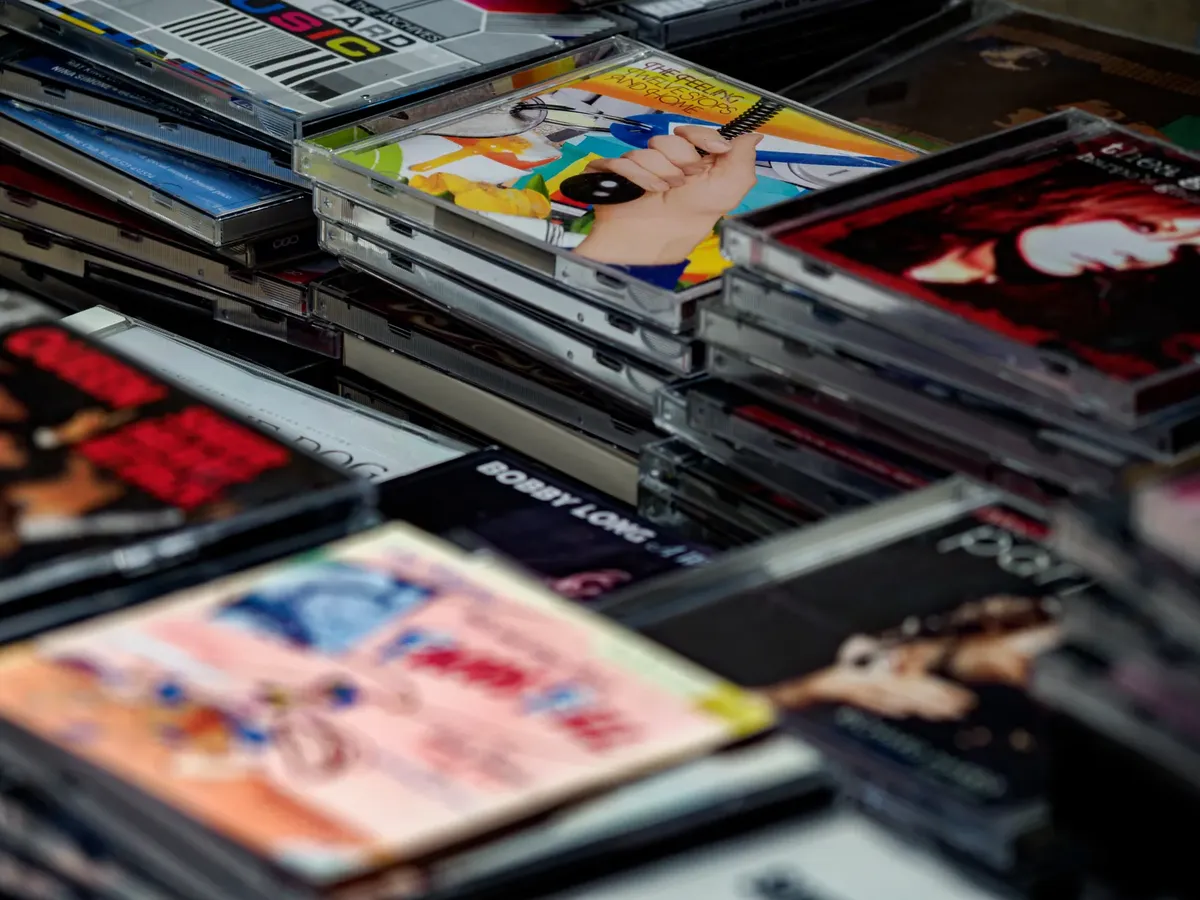
The global visibility of the genre is driven by massive digital engagement and social media presence. For example, on May 21, 2021, BTS' music video for "Butter" set a record for the most viewed online music video in the first 24 hours, garnering over 108 million views.
This level of engagement requires robust management of Music IP in K-POP to navigate various international streaming and social platforms. The digital era ensures that a single release can reach billions of people instantly.
What role does global reach play in Artist rights in most K-POP?
A manager coordinates with a global logistics team to schedule a multi-city international tour. As the genre moves beyond borders, the legal complexities of protecting an artist's work increase.
Digital trends show that social media interaction is a primary driver of global interest.
Managing these vast digital footprints is an essential part of protecting Artist rights in K-POP. As the audience grows, the necessity for clear ownership of content becomes even more critical.
How did genre shifts affect Changing music industry laws?
A songwriter experiments with blending electronic beats with traditional pop melodies. The constant evolution of sound and the use of diverse genres require flexible legal protections for creators.
The genre itself is a hybrid, often requiring complex copyright clearances for various elements.
The French Institut national de l'audiovisuel defines K-pop as a "fusion of synthesized music, sharp dance routines and fashionable, colorful outfits." Songs typically consist of one or a mixture of pop, rock, hip-hop, R&B, and electronic music genres.
These complex compositions mean that Changing music industry laws must address the nuances of songwriting, production, and performance rights simultaneously.
| Metric | Value |
|---|---|
| South Korea Market Rank (2019) | 6th Largest |
| BTS GDP Contribution (2019) | 0.3% |
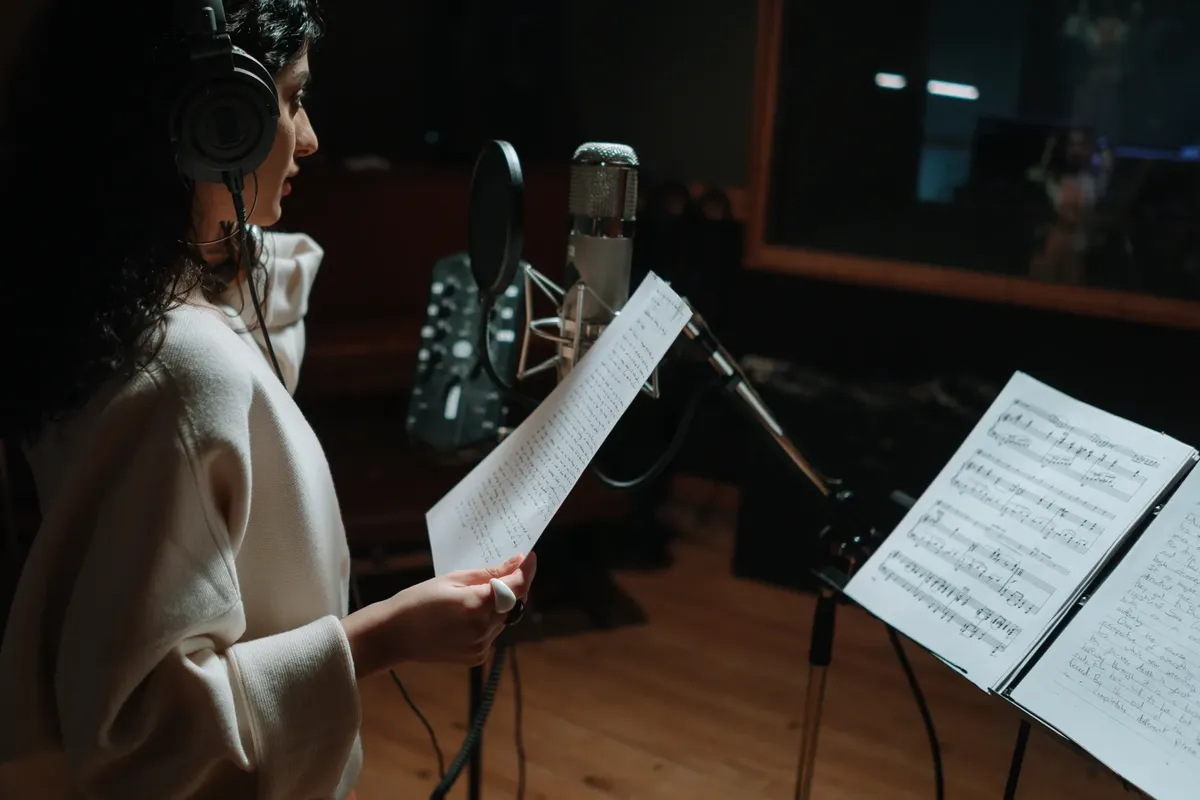
I observed how these massive shifts changed the way labels approach contract negotiations.
The legal framework for these changes is applied to all existing agencies to ensure a level playing field.
- How did the market scale influence K-POP music copyright trends?
- Why did the industry implement new regulations for K-POP rights evolution?
- How does digital presence shape Music IP in K-POP?
The subject here is K-POP music copyright trends.
The same subject is also called Artist rights in music.
This part also covers Protecting artist royalties now.
This part also covers Global music copyright shifts.
Related








Comments 0