Another trend in Korean music: The rise of indie music and experimental sounds.
최근, the heart of Korean popular music still revolves around idol groups and major labels, focusing on their concepts and styles. However, behind the dazzling performances of these artists, a multitude of quieter voices are emerging. While these sounds may not always receive widespread attention, they are gaining a growing audience through their depth, authenticity, and experimental approaches. This refers to 'indie music' and 'experimental sounds.' This article will explore how this often-overlooked area of the Korean music scene is evolving and what it represents.
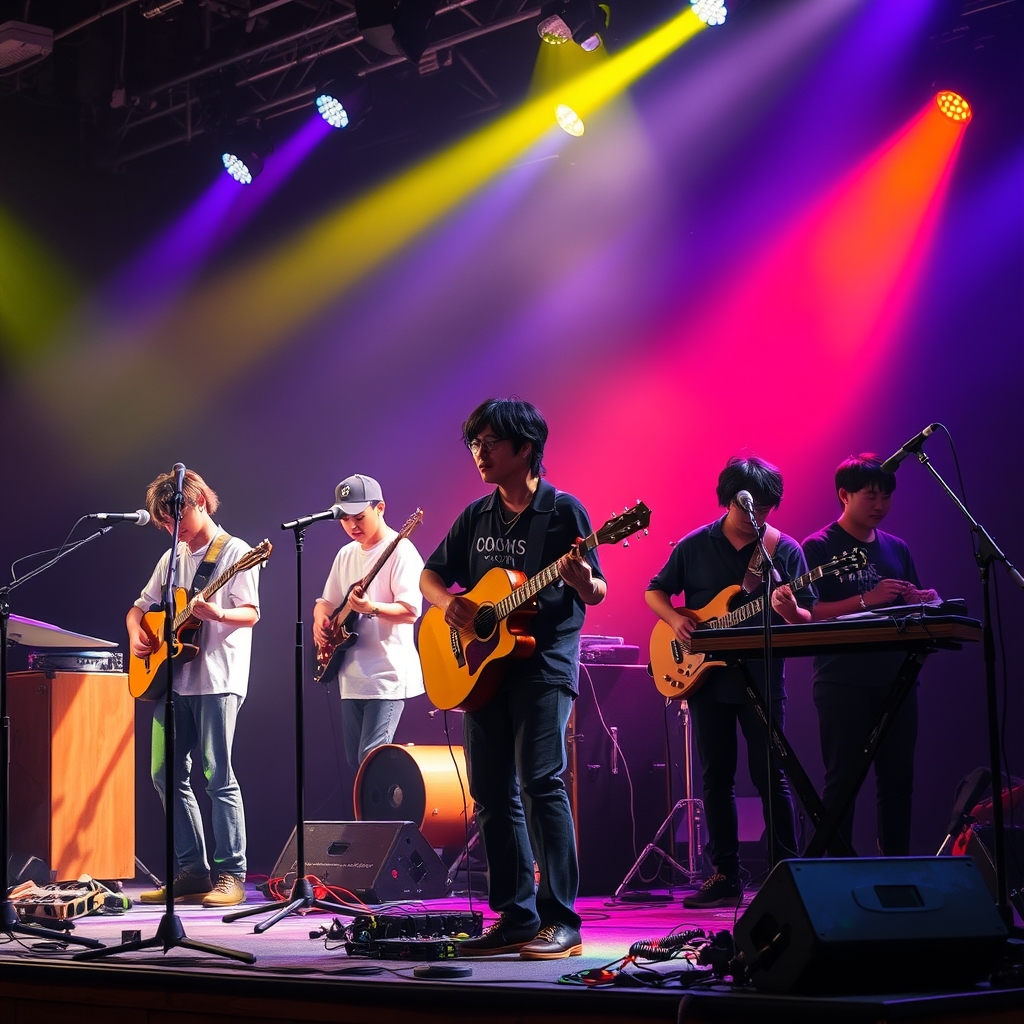
1. The Identity of Indie Music: Freedom Beyond Genres
Korean indie music possesses a fundamentally different identity compared to the "idol-centric popular music" scene. Here, 'indie' signifies more than just a 'small label.' It emphasizes musical independence, the artist's authenticity, and creativity that transcends audience expectations. Indie musicians prioritize expressing themselves through music rather than pursuing commercial success. Consequently, their songs often reflect everyday emotions, the complexities of human relationships, and feelings of loneliness in urban environments.
For example, Lee Eunsang's music soothes the soul with acoustic guitar and lyrical melodies. Emotionally resonant songs, similar to Park Jin-young's "Love is Not Allowed," are frequently found within the indie genre. However, in Lee Eunsang's case, he utilizes a wide range of musical elements, almost like a one-man orchestra, to create a unique sound. His music is too complex to simply label as 'ballad,' showcasing progressive compositions and experimental sonic approaches.
Furthermore, a so-called "Nordic indie" style is gaining traction in Korea. This combines the calm and dreamy atmosphere of Scandinavian music with Korean sensibilities. Brands like Kidmake and Seosan Ribbons actively utilize this approach. Their music often begins with a quiet acoustic side, but gradually incorporates repetitive rhythms and electronic sounds, creating a cyclical effect on the listener's emotions. While this music can feel "cold," the underlying emotions are often deep and warm.
2. The Emergence of Experimental Sounds: Sound as an "Experience," Not Just Music
One of the most remarkable changes in modern Korean music is the attempt to elevate "music" from a mere auditory experience to a full-fledged "experience." This is particularly evident through the concept of 'experimental sounds,' alongside indie music. It focuses on creating a "sensory environment" that goes beyond simple melodies and rhythms.
Artists like Kang Min-ho and Han Seung-soo treat sound as a sculpture, creating "space" through speakers. Their concerts are not just performances; they use combinations of light and sound to create an immersive "sound installation" for the audience. For example, Kang Min-ho's album *'Sensory'* is designed to create a sense of disorientation by repeatedly layering electronic sounds and natural sounds, while also influencing brainwaves. This music is more about "feeling" than simply "listening."
Additionally, the concept of 'image music' is gaining popularity among young Korean musicians. This involves synchronizing visual images and sounds to create a holistic sensory experience for the audience. For example, Maximilian's concerts expand their music by simultaneously performing to the visuals displayed on screen. This approach ensures that music is not just for the "ears" but also for the "eyes and heart."
These experiments are transforming traditional music consumption habits. Now, "music" exists not just on a cassette player but in quiet airport corridors, bustling city nights, and even the rooms where music is being created. It's in these places that we realize the vibrancy of music.
3. The Conflict and Harmony Between Popularity and Independence
Of course, indie music and experimental sounds don's always strive for fame or commercial success. In fact, they often reject the very things that are central to idol music. However, more and more indie artists are beginning to attract mainstream attention. One example is the album project *'Confession'* featuring Yoo Jae-suk. This release resonated strongly with listeners in their 30s and 40s, drawing attention as a case of a comedian turning to music.
Furthermore, changes in "platforms" are also having an impact. Indie music is no longer only found on platforms like 'YouTube' or 'Spotify.' Son Jun-ho's music is being incorporated into traditional musical performances like the 'Midnight Concert,' demonstrating how music is evolving from a "genre" to a "culture."
However, even with these advancements, conflicts persist. Some media outlets criticize indie music as "not mainstream," dismissing it as "sounding strange at first glance." However, this is simply a fear of greater possibilities and diversity. Music evolves under the belief that it "should exist in many forms," not under the rule that "everyone should like it."
Ultimately, the true landscape of Korean music lies in the voices of countless small musicians. They are not striving for the top 100; they create music solely to express themselves. Their music may be simple or challenging, but it contains genuine human emotion and gains deeper meaning over time. The true diversity of Korean music begins with these "small sounds."
Popular posts
Recommended listening for new songs: Comparing entry points between 'K-pop' and 'Pop' music.
Criteria for selecting the "Top 10 Artists" in the Korean music industry in 2024, and practical coaching.

Comments 0