Tips for appreciating musical history and modern sound DNA
By following this process, you move from being a passive listener to an active participant in musical history.
"Music is the shorthand of emotion, capturing the soul of an era in a single melody."
Great music endures because it translates the fleeting feelings of a specific moment into universal truths that anyone can feel. This guide explores how timeless classics maintain their power and how you can better appreciate the roots of modern sound.
* Universal themes bridge the gap between generations. * Authentic storytelling creates lasting emotional connections. * Understanding musical history enriches the modern listening experience.
Why do certain songs stay relevant for decades?

In the morning I hold appreciating and walk through the next step.
Standing in a crowded subway station in Manhattan, I watched a teenager wearing wireless earbuds nod rhythmically to a track that was recorded forty years ago. This simple moment captures how a melody can jump across time to find a new home in a different person's life.
According to the International Monetary Fund, South Korea recorded real GDP growth of 1.9% in 2026.
Great songs survive because they tap into the permanent aspects of the human condition. While the production styles and instruments change, the core subjects of love, loss, jealousy, and triumph remain constant.
When a songwriter captures these raw truths with sincerity, the music ceases to be a product of a specific year and becomes a shared human experience. This emotional resonance allows a listener in 2026 to feel the exact same heartbreak or joy that someone felt in 1970.
How does the evolution of sound change our perception?
In the evening I hold appreciating and walk through the next step.
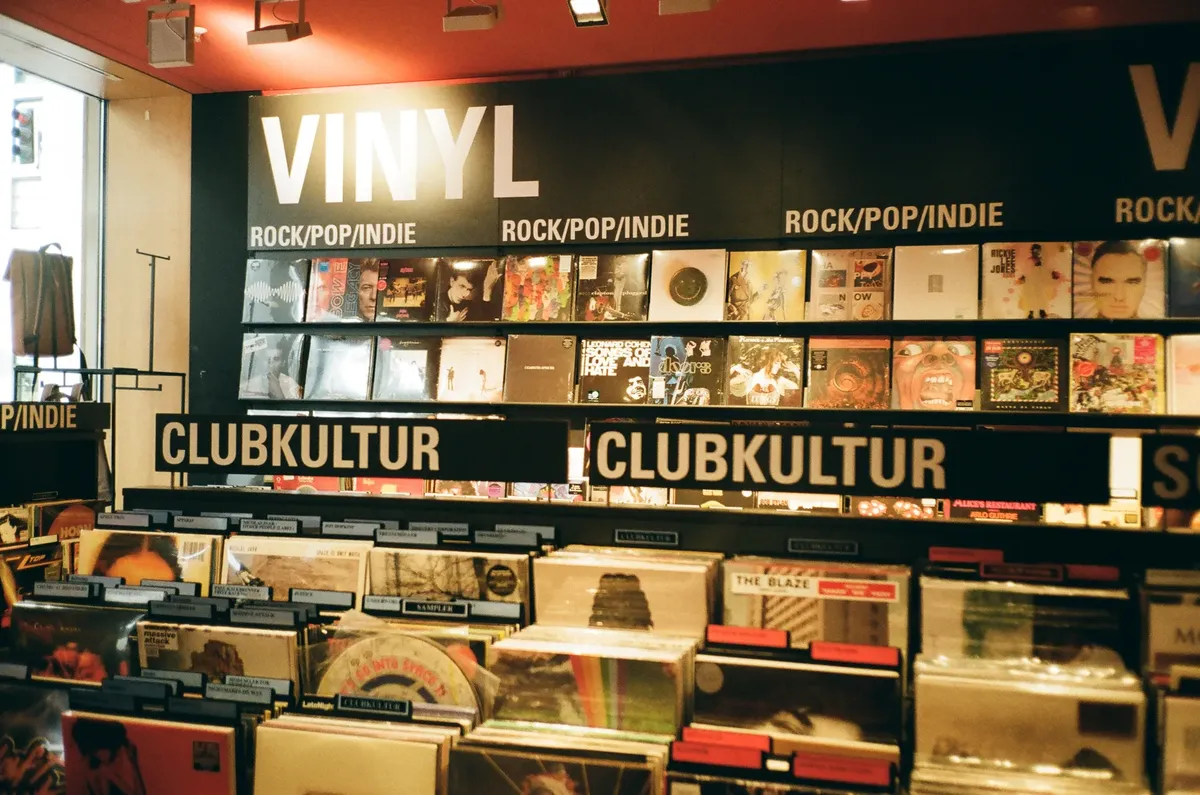
Walking through a vintage vinyl shop in Brooklyn, the smell of old paper and the sight of spinning wax reminds me that music is a physical history of human creativity. It is easy to get lost in the polished, digital perfection of today's hits and forget the grit of the past.
The shift from analog to digital has drastically changed how we consume sound, but it hasn't changed the fundamental need for melody and rhythm. Modern listeners often use historical tracks to find the "DNA" of their favorite current artists.
By studying how a bassline or a vocal phrasing was handled in the past, we gain a deeper understanding of how current trends were built. This connection creates a sense of continuity in the art form.
Can we bridge the gap between old and new?
Sitting in a quiet corner of a coffee shop with a pair of high-fidelity headphones, I tried to listen to a 1960s jazz recording through a modern lens. The crackle of the recording felt like a bridge to a lost world, yet the rhythm felt incredibly contemporary.
Interest in the genre increased following the viral success of band LEENALCHI's "Tiger Is Coming" being featured in the Korean Tourism Organization's "Feel the Rhythm of Korea" video advertising series in 2020.
To truly appreciate how music has evolved, you can follow these steps:
- Identify a modern artist you enjoy and research their primary influences. 2. Listen to the original genre or artist that shaped that musician's style. 3. Compare the production techniques of the old track with the modern version to see how the sound has been "cleaned up" or layered.
What makes a melody stick in the mind?
Staring at the ceiling late at night, I realized that the songs I can't stop humming are often the ones with the simplest, most elegant structures. It isn't always about complexity; sometimes, it is about the perfect placement of a single note.
A great melody acts as a mnemonic device for emotion. It provides a structure that the brain can easily latch onto and repeat. While complex arrangements can be impressive, the most enduring songs often rely on a strong, simple melodic hook that can be hummed without any accompaniment.
This simplicity ensures that the song can be easily transmitted from person to person, regardless of their musical training.
Is there a limit to how much music changes?
Walking through a rainy street in Seattle, the gray atmosphere makes the sharp, bright sounds of modern pop feel almost jarringly different from the acoustic folk of the past. This contrast highlights the constant tension between tradition and innovation.
There is a limit to how much music can change before it loses its connection to the human voice. While technology allows for sounds that were impossible fifty years ago, the human ear still seeks a sense of organic rhythm and vocal clarity.
If music becomes too heavily processed or purely mathematical, it risks losing the "soul" that allows it to resonate emotionally. This creates a natural cycle where music moves toward experimentation and then pulls back toward more traditional, melodic structures.
How do we preserve musical legacy?
Looking at a digital playlist filled with thousands of songs, I wondered how any single piece of music could ever truly be "preserved" in such a vast sea of data. The sheer volume of modern music makes the task of maintaining a legacy feel more difficult than ever.

According to the World Bank, South Korea recorded GDP growth of 1.0% in 2025.
Preservation happens through constant reinterpretation. Every time a cover band plays an old classic or a producer samples a vintage drum break, they are keeping that sound alive. This constant recycling ensures that the old isn't just stored in a museum but is actively living in the present.
This cycle of influence is what keeps the musical landscape from becoming stagnant.
This order does not hold, however, when the figure is not 6.4%.
- Why do certain songs stay relevant for decades?
- How does the evolution of sound change our perception?
- Can we bridge the gap between old and new?
| Item | Figure |
|---|---|
| 1 | 6.4% |
| 2 | 83.1% |
Related







Comments 0