K-pop idols are not the whole story; there's a diverse world
K-pop idols are not the whole story; there's a diverse world
If you only think of Korean music as "K-pop idols," you are essentially looking at a single, brightly lit window of a massive skyscraper. While the global phenomenon of idol groups is undeniable, it represents only one facet of a much deeper cultural landscape.
Beneath the high-production music videos and synchronized choreography lies a profound world of sonic diversity. To truly understand the heartbeat of South Korea, one must look past the glitter to find the soul of its various musical movements.
The true appeal of Korean music lies in its "diversity." It is a spectrum that ranges from the nostalgic wails of traditional trot to the gritty, experimental sounds of underground hip-hop and the quiet intimacy of indie folk.
Different Genres, Different Charms
Korean music is not a monolith; it is a collection of distinct subcultures, each serving a different emotional purpose for its listeners.
* Ballads & R&B: This remains the backbone of the Korean music industry. These genres showcase a traditional strength: the ability to portray complex human emotions with incredible subtlety and vocal prowess. * Indie & Bands: Driven by individuality, this genre boasts a fiercely dedicated fanbase. It prioritizes authenticity over commercial polish, offering a sanctuary for those seeking raw storytelling. * Hip Hop: More than just rhythmic speech, Korean hip-hop represents the language and social sensibilities of the younger generations. It is often at the forefront of cultural trends and social commentary. * Trot: Often dismissed by youth in the past, trot is currently experiencing a massive resurgence. It appeals to all generations, bridging the gap between elderly listeners and younger fans through catchy melodies. * OSTs & Ballads: Soundtracks for dramas and movies act as a gateway. These songs gain massive popularity because they are inextricably linked to the emotional climaxes of beloved visual stories.
Charts Reflect Your Tastes
Music charts in Korea function as a real-time barometer of the national psyche. They do more than just list hits; they document how collective moods shift with the seasons and social changes.
According to the 2024 report from the Korea Creative Content Agency (KOCCA), the consumption patterns of digital music have shifted significantly toward personalized streaming, allowing niche genres to find stable footing alongside mainstream pop.
You can observe which genres dominate during the rainy season or how ballad popularity spikes during the winter months. Simply following the trends on platforms like Melon or Genie can give you a profound sense of the current cultural atmosphere in Seoul and beyond.
Enjoying Music Culture Directly
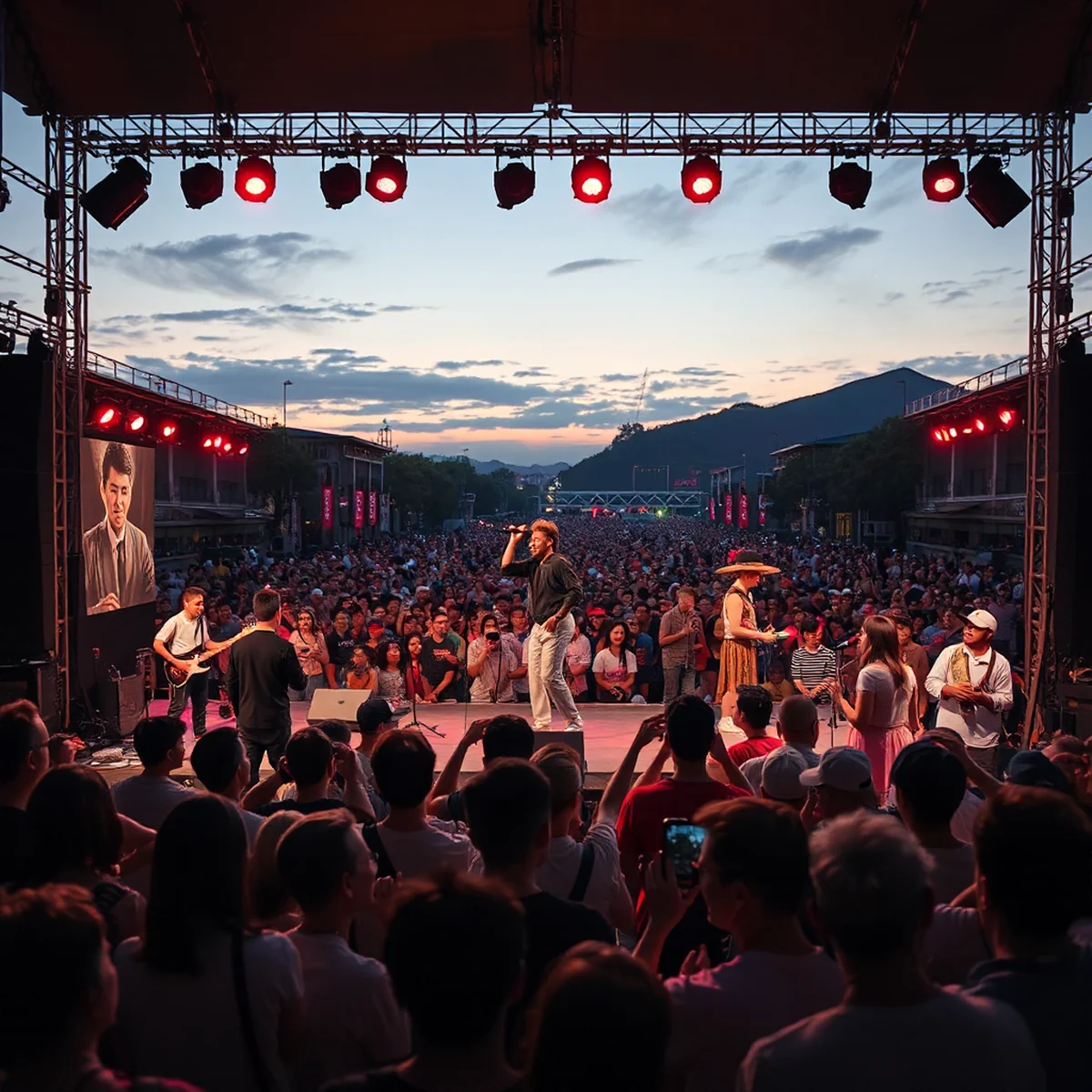
The experience of Korean music is moving increasingly from the digital screen to the physical stage. The rise of massive outdoor festivals has transformed how fans interact with various genres.
For example, the Grand Mint Festival has become a staple for indie lovers, offering a starkly different environment than the high-energy idol concerts seen in major arenas. This shift allows fans to experience music as a communal, lived experience rather than just an audio file.
The joy of experiencing music live—feeling the vibration of a bass guitar or the swell of a live orchestra—is fundamentally different from simply listening through headphones. It turns a passive habit into an active cultural participation.
Small Habits to Broaden Your Tastes
It is incredibly easy for your musical horizons to narrow if you fall into the trap of repetitive streaming algorithms. However, expanding your perspective can lead to life-changing discoveries.
* Utilize Recommended Playlists: Instead of sticking to "Top 50" lists, explore genre-specific curators on Spotify or YouTube Music. * Start with OSTs: If you are a fan of K-dramas, look up the official soundtracks. They are often high-quality entries into ballad and R&B worlds. * Listen Based on Season or Mood: Seek out "rainy day" playlists or "autumn acoustic" sets to find music that matches your internal state.
One caveat to keep in mind is that chart popularity does not always equal artistic quality. A song may be a massive hit due to a viral TikTok trend, but it might lack the depth found in the indie or jazz scenes.
In a Nutshell
* The true appeal of Korean music lies in its incredible "diversity" across many genres. * Music charts act as mirrors, reflecting the changing emotions and tastes of the public. * Attending live festivals and concerts makes the musical experience much richer and more personal.
An Era Where Genre Boundaries Blur
We have entered a fascinating era where strict genre definitions are becoming obsolete. Modern Korean music is characterized by its fluidity and willingness to experiment.
You might hear a ballad that incorporates heavy R&B vocal runs, or a hip-hop track that features an entire live rock band. Even trot is being reimagined with modern electronic arrangements to appeal to Gen Z listeners.
As these boundaries blur, it becomes natural to listen to music based on your mood rather than being confined to a single label. This hybridity is what makes the current era of Korean music so vibrant and unpredictable.
When you embrace the diversity of genres, music becomes an enriching journey rather than just a collection of catchy hooks.
Korea Music covers the entire spectrum, from pop and trot to ballads and indie, as well as deep dives into charts, new releases, and festival news.
Quick Comparison
| Aspect | K-pop Idol Centric Perception | Overall Korean Music Diversity |
|---|---|---|
| Main Genres | Primarily idol-focused pop | Ballads, R&B, Indie, Hip-hop, Trot, OSTs |
| Characteristics | Trend-driven and highly polished | Emotional depth, authenticity, and social reflection |
| Listening Habits | Heavily streaming and fandom-based | Diverse: festivals, live clubs, and curated playlists |
| Taste Formation | Driven by idol popularity | Expanded via moods, seasons, and cinematic OSTs |
| Genre Boundaries | Often perceived as distinct silos | Highly fluid; frequent genre-blending is common |



Comments 0