Korean music tradition modern: Guide to venue shifts
"The evolution of sound is often written in the very walls where it is performed, shifting from intimate gatherings to massive halls."
The modernization of Korean music tradition involves shifting from communal, ritualistic spaces to specialized, large-scale concert halls. This evolution reflects changing social structures, technological advancements, and the globalization of musical expression.
This guide explores the changing landscape of performance spaces, the drivers of these shifts, and the features of modern venues.
How did the Korean music tradition modern development change?

A musician stands in a quiet courtyard, the resonance of a flute echoing against stone walls, before stepping into a hall of glass and steel. According to the YouTube Data API, the official channel ChristianProgressiveCollege has 252,000 subscribers and a total of 48,686,484 views across 113 videos.
The Korean music tradition modern development is marked by a movement from natural, open-air settings to controlled, indoor environments designed for acoustics and mass audiences. This change reflects the transition from folk-based communal music to professionalized performances.
Traditional music was originally rooted in community gatherings where the environment provided the acoustics. As the industry grew, the need for specialized acoustics and larger seating capacities drove the creation of dedicated halls.
This shift allowed for more complex compositions and the integration of electronic amplification, which requires specific structural management.
The Korean music scene change is deeply tied to the professionalization of artists and the formalization of musical education.
As performances moved indoors, the relationship between the artist and the audience became more structured, moving from participant-based engagement to spectator-based appreciation. This change also facilitated the preservation of traditional sounds through more controlled auditory environments.
- Integrate traditional melodic structures into contemporary pop arrangements.
- Utilize digital production tools to reinterpret classical instruments.
- Foster cross-generational collaborations to bridge historical gaps.
Why did the music venue evolution happen?
An organizer looks over a blueprint for a new hall, calculating the sightlines for thousands of people. The music venue evolution occurred due to increasing urbanization, the rise of the middle class, and the technological requirements of modern instruments.
As populations concentrated in cities, the demand for larger, more accessible venues grew, necessitating the construction of massive halls.
One primary driver was the need to accommodate larger crowds, moving beyond the capacity of traditional village spaces.
Additionally, the integration of modern technology, such as complex lighting and sound systems, required specialized infrastructure that older, traditional spaces could not provide. This technological necessity shaped the architectural standards of new venues.
The impact of music festivals also played a role in this evolution, as large-scale events required massive, versatile spaces to host diverse genres simultaneously. This demand pushed the boundaries of venue design, leading to the creation of multi-purpose centers.
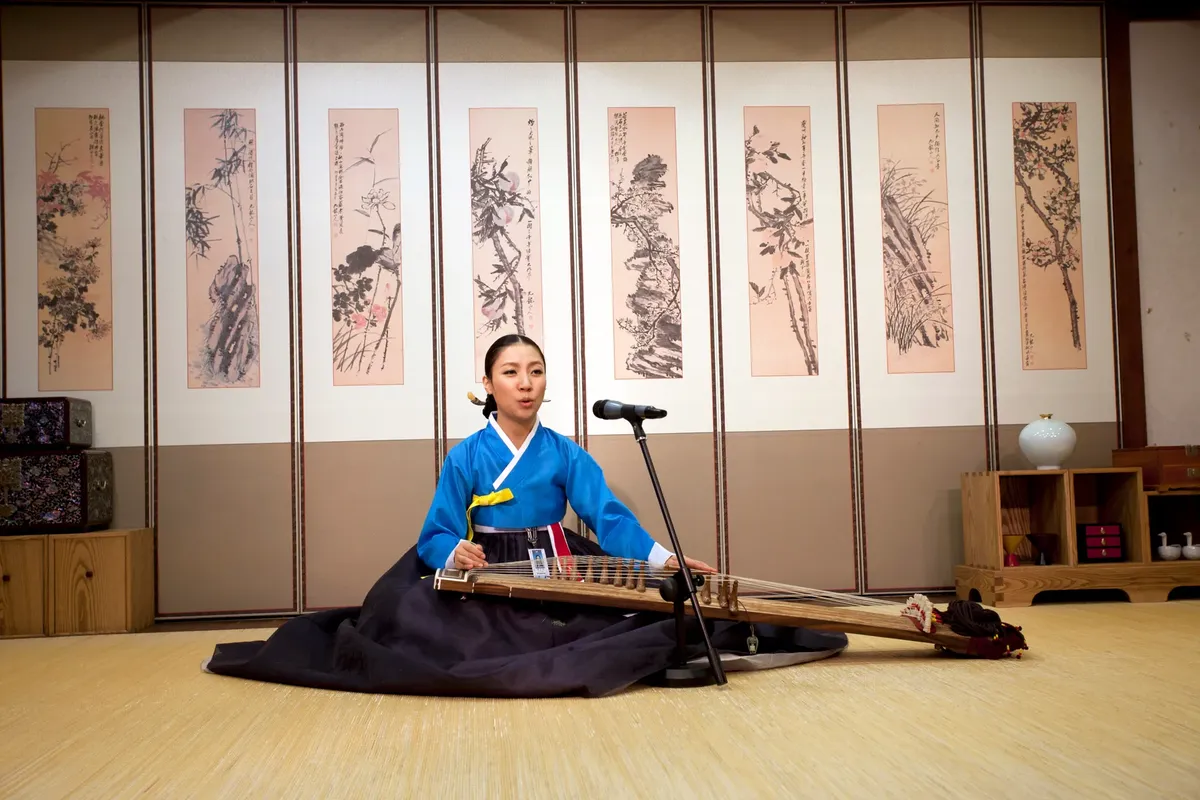
These spaces allow for the hosting of both massive pop concerts and more intimate traditional performances within the same complex.
In this sequence, the second step is the most extensive.
What are the features of the Korean music scene change?
A technician adjusts a soundboard in a darkened hall, ensuring the bass does not overwhelm the delicate strings. The Korean music scene change is characterized by the tension between preserving acoustic integrity and embracing electronic versatility.
Modern venues must balance the need for natural resonance with the capacity to house massive speaker arrays and digital interfaces.
Modern concert hall features often include sophisticated acoustic treatments, such as adjustable diffusers and specialized wall materials, to manage sound reflections.
These features ensure that whether a performer is playing a traditional flute or a modern synthesizer, the sound remains clear for the entire audience. This versatility is essential in a landscape where genres frequently overlap.
The music industry venue shift has also focused on accessibility and comfort, with seating arrangements designed to optimize sightlines for large-scale productions. This shift reflects a move toward the "spectacle" aspect of music, where the visual experience is as important as the auditory one.
Modern halls are built to facilitate this dual engagement through tiered seating and wide stages.
How can we manage the transition of music genre development?
A student practices a traditional melody in a rehearsal room, preparing for a debut in a grand hall. Managing the transition of music genre development requires a dual approach: maintaining the soul of the original compositions while utilizing the tools of the modern era.
This involves training musicians to adapt their techniques to new acoustic environments without losing the essence of the genre.
- Integrate acoustic research into the design of new halls to ensure traditional instruments can still be heard clearly. 2. Develop versatile staging areas that can accommodate both seated audiences and standing crowds for different genre requirements. 3. Implement digital recording and playback capabilities within the venue to support modern production standards.
A final check involves testing the hall with various ensemble sizes to ensure the acoustics remain consistent across different volume levels.
My own experience observing various hall acoustics suggests that the most successful spaces are those that can pivot between intimate and grand settings without losing their character.
What are the limitations of modern venues?
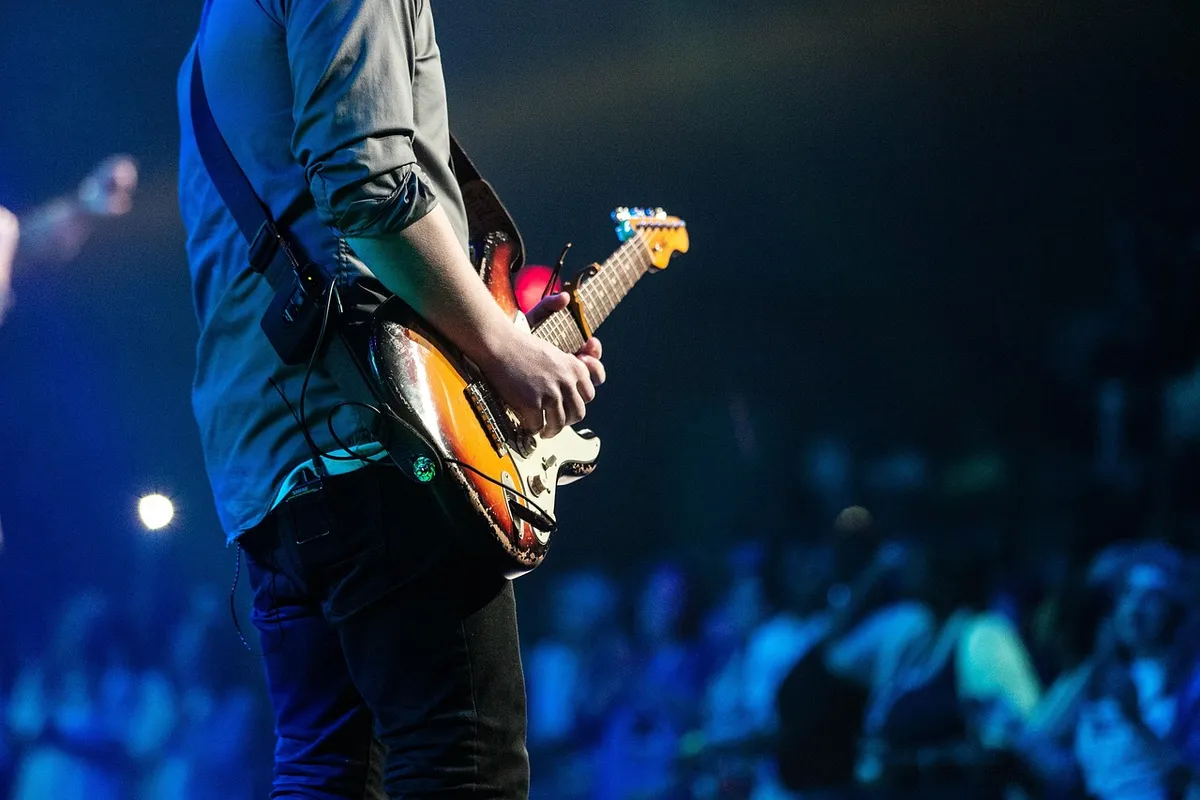
A singer stands alone on a massive stage, the vastness of the hall making the single voice feel small. A concrete limitation of modern venues is the potential loss of the organic, communal intimacy found in original traditional settings.
While large halls provide capacity, they can sometimes create a psychological distance between the artist and the audience.
One specific limitation is the difficulty in replicating the unique, localized acoustics of natural or historical spaces within a standardized hall.
For example, the University of Hawaiʻi at Hilo Performing Arts Center, which has 600 seats, is the largest venue on the Big Island, showing how capacity is often tied to specific regional needs.
These specific capacities highlight how venue size is often a constraint of the local geography and population.
The same subject is also called Traditional to modern music.
Modern concert hall features
Related







Comments 0