Genre venue selection rules guide artist career success
Selecting the right stage is a fundamental part of an artist's career, as the physical environment dictates how the sound reaches the audience. Genre venue selection rules require a careful balance between acoustic requirements, audience capacity, and the emotional intent of the performance.
This guide explores how artist venue matching works across different musical styles to ensure the sonic experience remains intact.
Key takeaways: * Acoustics must align with the specific sonic characteristics of the genre. * Audience density and movement affect the emotional connection to the artist. * The venue serves as an extension of the artist's creative identity.
How does genre affect venue choice?

At sunset, the musician steps into the cavernous hall and feels the cold air, realizing the massive space might swallow her delicate folk genre.
An artist walks into a quiet hall, feeling the weight of the empty seats before the first note is even struck. The relationship between the music and the room is immediate, often determining whether a performance feels intimate or overwhelming.
Choosing a space is not merely about capacity; it is about the sonic texture the artist wishes to project.
The relationship between the artist and the space is often defined by the genre's inherent energy. For instance, a singer-songwriter might seek a small, dry acoustic environment to highlight vocal nuances, while a rock band requires massive sound systems and high ceilings to manage volume.
This artist venue matching process ensures that the technical limitations of a room do not stifle the artistic vision. The genre dictates the necessary scale of the sound system, influencing the structural requirements of the venue itself.
A subtle change in the genre's energy demands a corresponding shift in the environmental features of the chosen space.
The venue role for music is to act as a resonator for the artist's intent. A large stadium provides a sense of spectacle, while a basement club offers a raw, unfiltered connection.
When the genre is electronic, the focus shifts to light integration and bass response, whereas classical performances demand controlled reverberation.
The required level of control over reverberation is a direct function of the genre; certain classical pieces rely on specific acoustic decay patterns, while electronic music often requires precise, manufactured soundscapes.
The capacity of the venue must also support the genre's intended emotional impact, whether that impact is meant to be overwhelming or deeply personal.
In this sequence, the second point is the most extensive.
What are the principles of stage location? Genre venue selection rules
At dusk, the sound engineer adjusts the heavy microphone stand in the dimly lit hall while contemplating how the placement will shape the acoustic reach of the specific genre.

A technician adjusts the microphone stand in a dimly lit hall, considering how the sound will travel to the back row. The physical layout of a stage can change the power dynamic between the performer and the listener. Understanding the mechanics of space is essential for any successful tour.
The principles of stage location involve several critical considerations:
- Acoustic properties: The artist must evaluate how the room handles frequency ranges, such as low-end bass or high-end clarity. 2. Sightlines and visibility: The height and angle of the stage must allow the audience to see the artist's expressions or choreography clearly. 3. Audience engagement: The proximity of the stage to the crowd dictates the level of physical interaction possible during the set.
I once stood in the wings of a theater, watching how the stage height changed the entire energy of the room. This type of performance space by genre awareness prevents the artist from being swallowed by an oversized hall or cramped in an undersized club.
The stage height directly affects the sightlines, ensuring that the audience can perceive the performer's movements effectively. Proximity determines the nature of audience engagement; a close stage facilitates direct interaction, while a distant stage encourages passive observation.
The evaluation of acoustic properties is crucial because poor frequency handling can distort the intended sonic texture of the music.
How does the venue function for different styles?
The lights dim in a crowded club, and the sudden surge of noise from the crowd fills the air. Different genres require different environmental triggers to reach their full potential. A venue that works for a folk artist might be completely unsuitable for a heavy metal ensemble.
The venue function for different styles is rooted in the expected behavior of the audience. A jazz club is designed for attentive listening, often with seating that encourages a relaxed atmosphere.
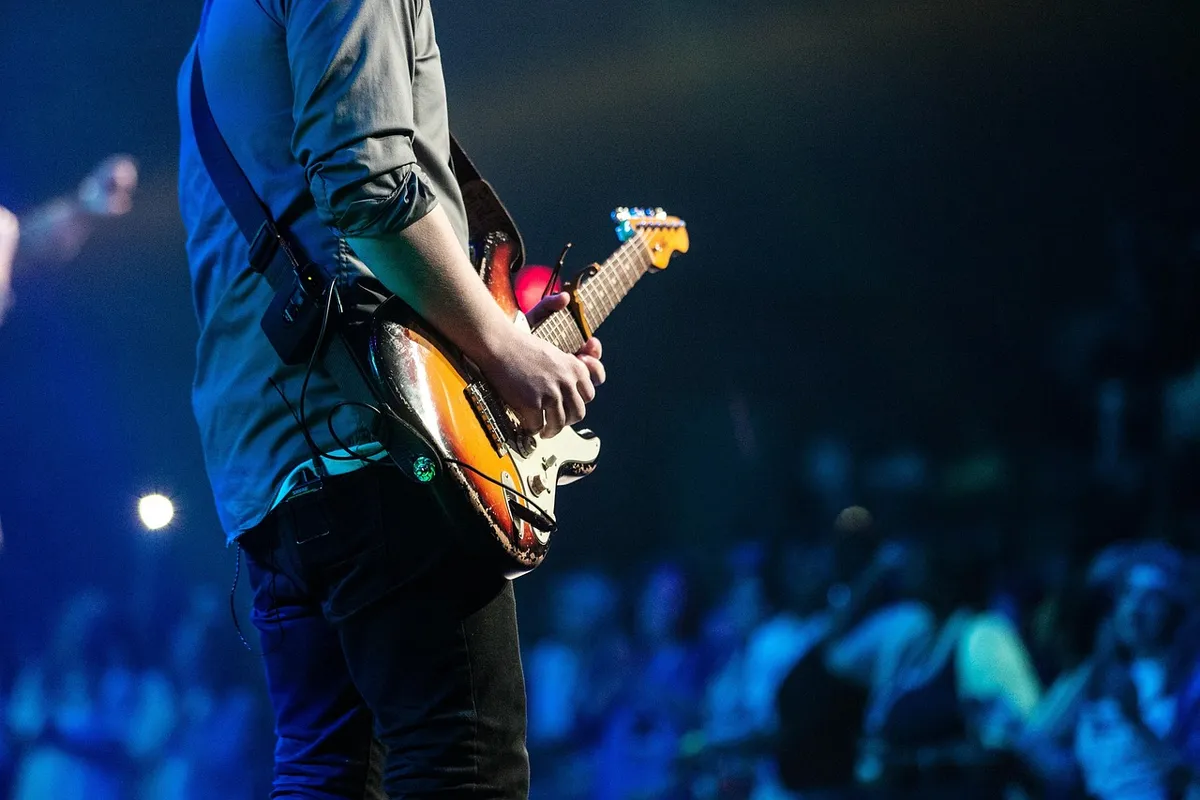
In contrast, a dance venue is built for movement, requiring reinforced floors and wide-open spaces for safety and flow. The design of the seating arrangement in a jazz club supports the expectation of focused listening, minimizing distractions.
Conversely, the structure of a dance venue prioritizes physical activity, necessitating specific architectural features for audience safety.
| Genre Type | Primary Venue Requirement |
|---|---|
| Acoustic/Folk | Natural reverberation and intimacy |
| Electronic/Pop | Advanced lighting and high-fidelity sound |
The comparison shows that the technical needs of the artist must be the primary driver in the selection process. A successful artist understands that the venue is not just a backdrop but a functional tool for storytelling.
The requirement for natural reverberation in acoustic settings contrasts sharply with the need for advanced lighting in electronic settings, illustrating the divergent functional needs of the space.
The choice of venue must align with the genre's inherent energy, ensuring the environment supports the performance's intended narrative.
What are the steps for selecting a venue?
An organizer sits at a desk, looking over blueprints and capacity charts for various halls. The process of finding the right home for a show involves systematic evaluation to avoid technical failures. Following a structured approach helps mitigate the risks of poor acoustics or logistical issues.
To find the right fit, follow these steps:
- Identify the core sonic needs: Determine if the genre requires specific acoustics, such as high reverb or complete sound absorption. 2. Assess capacity and demographic: Match the venue size to the artist's current fan base to avoid an empty-room feeling or safety hazards. 3. Verify technical infrastructure: Check for adequate power, stage weight limits, and specialized equipment compatibility.

After these steps, a final check of the venue's loading docks and backstage facilities is necessary to ensure the artist's gear can be safely moved. This systematic approach ensures the artist's vision is not compromised by the physical environment.
The identification of core sonic needs establishes the fundamental acoustic parameters that the venue must meet.
Assessing capacity and demographic ensures that the audience size matches the artist's reach, thereby preventing logistical issues related to crowd control or underutilization of the space.
Verifying technical infrastructure confirms that the venue can physically support the demands of the artist's equipment and performance setup.
- Define the specific requirements of the performance.
- Research potential locations that match the aesthetic.
- Conduct site visits to evaluate technical capabilities.
The subject here is Genre venue selection rules.
The same subject is also called Music type venue choice.
This part also covers How genre affects venue choice.
Related








Comments 0