Traditional music venue choice: 40% rising interest guide
"The sound of the drum meets the silence of the hall, creating a space where history breathes through melody."
Choosing the right venue for Korean traditional music involves balancing acoustic integrity with cultural significance to ensure the performance resonates with the audience.
This guide explores how to select a space that honors the heritage of the art form, particularly for complex genres like Pansori.

Key takeaways include understanding the role of specialized centers, managing increasing international interest, and identifying the unique requirements of different musical styles.
Where can I hear the best traditional music? A traveler walks through the bustling streets of Seoul, seeking the authentic resonance of a drumbeat. The search for the perfect setting often leads to specialized institutions that serve as the heart of cultural preservation.
The National Gugak Center in Seocho-gu, Seoul, serves as the primary headquarters for traditional arts. This venue provides a centralized location where the depth of the music can be experienced in a professionally managed environment.
According to the Korean traditional music and performance guide 2026, the global interest in these sounds is rising, with foreign booking rates increasing by 40% at the end of 2025.
Such specialized centers ensure that the technical needs of the performers are met while providing a stable environment for listeners.
How do you choose a venue for Pansori? Traditional music venue choice
Standing in the center of the empty hall at noon, I listen to the heavy silence and imagine the powerful vibrations of traditional song.
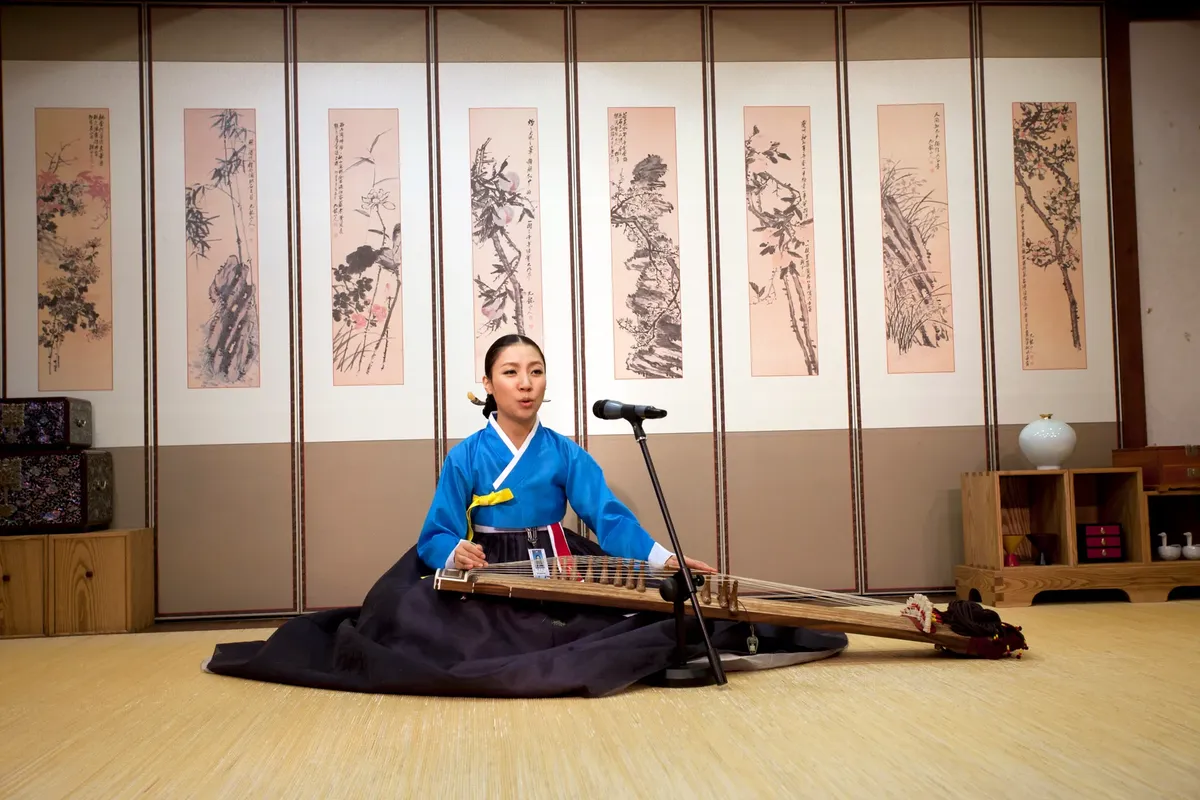
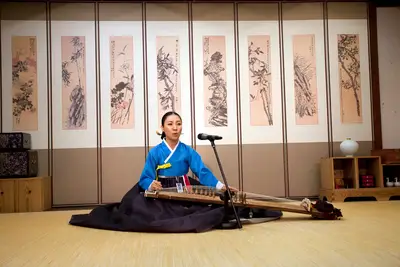
A performer sits alone on a wooden stage, preparing to tell an epic story through a single voice. Selecting a space for Pansori requires understanding its unique nature as a gripping one-person musical drama.
Because Pansori is recognized as a UNESCO Intangible Cultural Heritage, the venue must accommodate the intense emotional range and vocal power of the singer. The space needs to facilitate an intimate connection between the performer and the audience to capture the storytelling aspect of the drama.
This intimacy is vital for maintaining the dramatic tension inherent in the genre.
How do I book a performance? A visitor sits at a computer, scrolling through various cultural schedules to plan a trip. Organizing a visit to see traditional music involves several practical steps to ensure a seamless experience.
- Visit the official website of the National Gugak Center to review detailed monthly performance schedules. 2. Select a performance that aligns with your interest in specific genres like Pansori or court music. 3. Book tickets directly through the official website to secure your seat for popular shows.
I found that checking the monthly schedule in advance is the most effective way to plan around specific seasonal performances.
How does the venue affect the music's impact?
The sunlight fades over a historic palace, leaving the stage in soft shadow. The environment plays a decisive role in how the audience perceives the cultural value of the music.
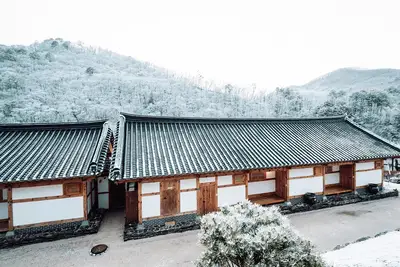
The setting can either amplify or diminish the intended mood of the performance. While modern halls offer controlled acoustics, historic or government-sponsored sites provide a sense of continuity with the past.
It is now rare to find these specialized settings outside of government-sponsored organizations like the National Center for Korean Traditional Performing Arts. This rarity makes the choice of venue a significant part of the cultural experience.
What are the limitations of venue selection?
A technician adjusts the microphones in a large hall, testing the sound levels for the evening. While various spaces exist, they are not always suitable for every type of traditional performance.
| Venue Type | Primary Benefit |
|---|---|
| Specialized Centers | Professional acoustic management |
| Historic Sites | Deep cultural immersion |
A limitation of choosing modern concert halls is that they may lack the specific acoustic warmth required for certain folk instruments.
The subject here is Traditional music venue choice.
The same subject is also called Music performance location.
The same subject is also called Venue selection criteria.
The same subject is also called Cultural music stage.
The same subject is also called Historic music setting.
This part also covers Venue role in tradition.
This part also covers Choosing music performance space.
This part also covers Cultural value of music place.
Venue role in tradition
Related
- Genre venue selection rules guide artist career success
- Lim Young Woong why his voice bridges different age groups
How does venue acoustics support the traditional drum sound? Specialized centers provide the controlled acoustic environment necessary to properly amplify the intricate sound of the drum. In these professional settings, the acoustic management ensures that the rhythmic complexity of the drumbeat is clearly perceived by the audience, fulfilling the technical needs of the performers. Conversely, while historic sites offer deep cultural immersion, the natural reverberation of these older structures may sometimes alter the intended sound profile of the drum. This comparison highlights a condition where the desired cultural experience must be balanced against the specific sonic requirements of the performance.
What distinguishes the selection process for different musical styles? The selection process for different musical styles requires matching the genre's inherent characteristics to the venue's capabilities. For Pansori, the venue must facilitate the intimate connection required for the storytelling aspect of the drama, which is a condition specific to its nature as a one-person musical drama. Conversely, genres that rely heavily on ensemble instrumentation benefit from the centralized acoustic management offered by specialized centers. This comparison illustrates how the dramatic tension inherent in one genre requires a different spatial arrangement than the technical needs of another.
Maintaining cultural significance in the performance space The cultural significance of the performance space is maintained when the venue honors the heritage of the art form. Historic sites contribute to this heritage by providing a sense of continuity with the past, which is a condition that modern halls often lack. The rarity of finding these government-sponsored settings ensures that the choice of venue remains a significant part of the cultural experience for the listener. Furthermore, the centralized location of the National Gugak Center allows for the consistent preservation of these traditions, supporting the overall integrity of the music.
Planning the performance experience 1. Reviewing the detailed monthly performance schedules is a procedure that allows visitors to align their trip with specific seasonal performances. 2. Selecting a performance based on genre allows the visitor to meet their interest in specific styles, such as court music or Pansori. 3. Booking tickets directly through the official website is the procedure that secures the seat for popular shows, which is a necessary step for a seamless experience.
The increasing global interest in these sounds necessitates that the booking process remains efficient to accommodate foreign booking rates that are rising.
According to National Gugak Center, the item is on record.




Comments 0