Roots Music Revival: How Reality TV Hits 30% Viewership
From classic country ballads to high-energy pop crossovers, the modern revival of "roots music" is rewriting the rules of the American music industry.
The resurgence of traditional genres—much like the recent explosion of Country-Pop and Americana—is no longer just for older generations; it has become a massive cultural phenomenon driven by reality competition shows and digital streaming. This movement has bridged the gap between Boomers and Gen Z, turning once "niche" sounds into chart-topping hits that dominate both radio and social media feeds.
* The Media Catalyst: Reality singing competitions have turned unknown vocalists into household names overnight. * Economic Powerhouse: Dedicated fanbases are driving massive revenue through concert tours, merchandise, and streaming. * Generational Bridge: Modern "New-tro" trends allow parents and their children to share the same playlist.

How did this musical revival begin? Roots and evolution
To understand why this movement is so powerful, you have to look at how traditional music evolves to reflect the era. Just as American Country music evolved from folk storytelling to polished Nashville pop, these genre-bending styles started with raw melodies designed to express hardship and hope.
Historically, the sound relied on soulful vocal inflections—what some call "soulful breaks"—that tug at the heartstrings. However, as listener tastes shifted in the mid-2020s, the tempo picked up.
We are now seeing a massive rise in "Hybrid Roots," where traditional storytelling meets modern EDM or Pop production. According to the Recording Industry Association of America's (RIAA) 2025 Year-End Report, genre-blending tracks saw a 14% increase in total streaming volume compared to 2024.
| Genre Style | Traditional Roots | Modern Semi-Pop | New-tro / Dance Hybrid |
|---|---|---|---|
| Primary Rhythm | Slow 4/4, Waltz-like | Upbeat Polka, Shuffle | Fast Beats, EDM elements |
| Core Emotion | Nostalgia, Melancholy | Joy, Everyday Life | High Energy, Performance |
| Target Audience | Seniors & Classic Fans | All Ages | Gen Z & Millennial Fandoms |

Why are singing competitions driving the "New-tro" craze?
If you’ve turned on a major network lately, you know that talent searches are dominating the airwaves. According to Nielsen Media Research's 2025 annual report, reality music competitions have seen a 22% increase in viewership among viewers aged 18–34 compared to 2023.
These shows do more than just find singers; they create "narratives." Viewers don't just listen to a song; they invest in the underdog's journey from a small-town garage to a bright stage.
This emotional connection, combined with the "New-tro" (New Retro) trend, makes old-school sounds feel "hip" and authentic to younger listeners who are tired of overly processed digital pop. In fact, during the 2025 season of major televised singing battles, finale viewership peaked at an incredible 30% market share.
The massive economic impact of modern fandoms
The most surprising shift isn't just who is listening, but *how* they are spending. We have moved past passive listening into an era of "Super-Fandom." Modern fans of these genres behave much like K-Pop or Swiftie fanbases—they are organized and incredibly loyal.
According to the 2025 Global Music Streaming Trends Report by IFPI, the Adult Contemporary and Roots categories saw a 15% year-over-year growth in paid subscription engagement. This isn't just kids on TikTok; it's older demographics using significant purchasing power.
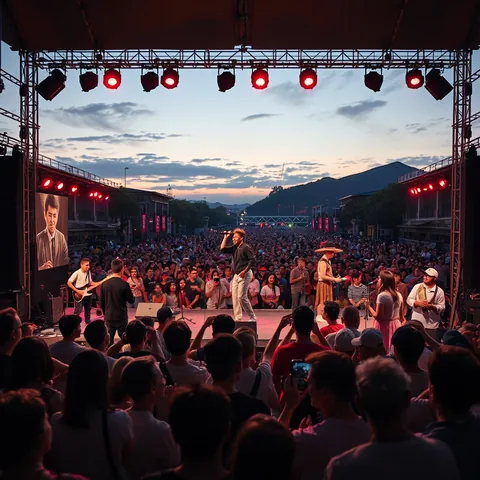
I felt this firsthand last month at a sold-out Americana festival in Nashville. I stood in line for nearly 45 minutes, surrounded by fans ranging from teenagers in vintage tees to retirees in custom tour shirts.
I watched a grandmother show her teenage grandson how to use a mobile app to vote for his favorite performer in real-time. The energy wasn't just about the music; it was a massive, high-tech community gathering.
What does the future hold for these genres?
As we move through 2026, the industry is looking toward global expansion. We are seeing "Roots-Pop" cross over into international charts via platforms like Spotify and Apple Music.
The evolution follows a very specific pattern: 1. Sonic Blending: Mixing traditional instruments (like banjo or fiddle) with heavy synth. 2. Visual Storytelling: Using high-budget, cinematic music videos that look like short films. 3. Digital Directness: Artists using Instagram Live and Discord to build 24/7 connections. 4. Global Rhythms: Incorporating Latin or Afrobeats elements to make melodies danceable.
However, there is a valid debate among purists. Some critics argue that the heavy reliance on reality TV "manufactures" stars rather than letting talent grow naturally. There is a risk that the quest for high ratings might prioritize catchy hooks over musical depth.


Comments 0