Arirang historical flow: Guide to its cultural identity
"Arirang" is a melody that transcends borders, serving as a bridge between deep-rooted history and a changing world.
The Arirang historical flow reflects a journey from a localized folk song to a globally recognized symbol of cultural identity. This evolution involves traditional roots, international recognition through UNESCO, and modern media adaptations.
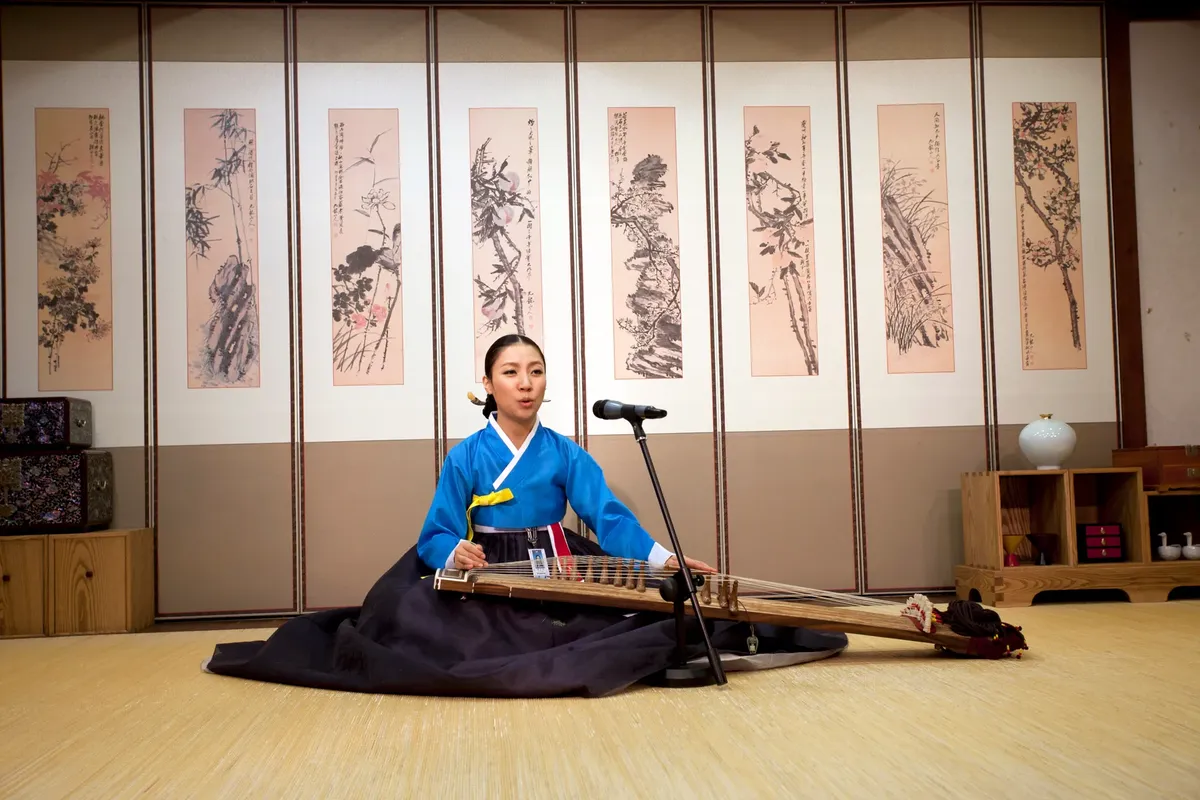
Key takeaways include its status as a shared heritage, its inclusion in cultural asset lists, and its transition into international broadcasting.
How did Arirang roots shape its identity?
In the quiet field at dusk, she hums the arirang melody while feeling the cool breeze brush against her skin.
A single singer stands in a quiet field, letting a melody rise from the earth. The Academy of Korean Studies shares the view that "Arirang" was originally a folk song of Jeongseon. This connection to specific regional origins suggests a deep, localized beginning.
According to the South Korean Cultural Heritage Administration, "Arirang" was added to its list of important intangible cultural assets in 2015.
Tracing Arirang roots involves understanding how a regional melody became a national symbol. The music captures a sense of shared struggle and hope. This traditional music evolution allowed the song to move beyond its original boundaries.
How did international recognition change its status? Arirang historical flow
A diplomat holds a pen over a document, preparing a submission for a global heritage list. Both South and North Korea have successfully submitted "Arirang" to be included on the UNESCO Intangible Cultural Heritage list; South Korea in 2012 and North Korea in 2014.
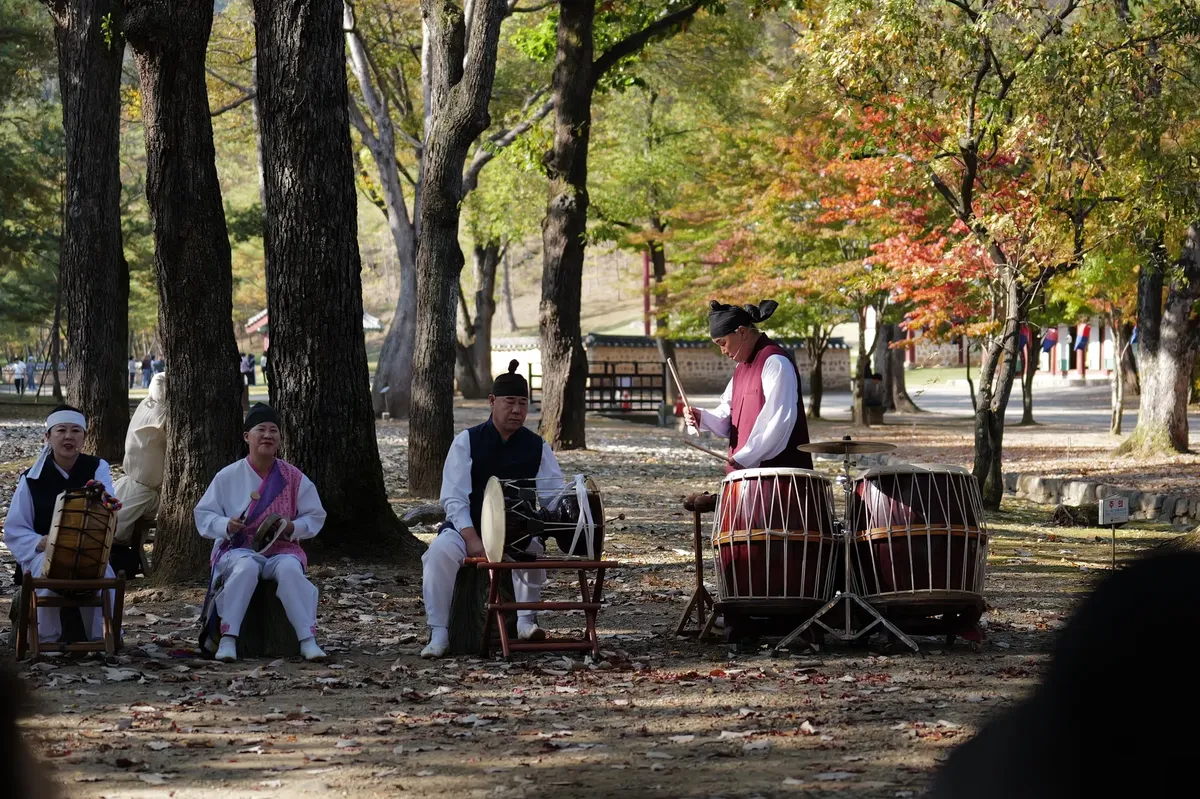
The Arirang historical flow was strengthened when these two nations recognized the song's universal value. This recognition highlights the shared cultural threads that bind the peninsula.
The Korean folk song change from a local tune to a global treasure was solidified through these diplomatic efforts.
What role did domestic heritage laws play?
A curator carefully inspects a traditional instrument in a quiet museum hall. In 2015, the South Korean Cultural Heritage Administration added "Arirang" to its list of important intangible cultural assets.
This domestic designation ensures that the song remains protected and celebrated within its home. It acknowledges the profound impact the melody has on the nation's identity. The Arirang history study shows how institutional support maintains the integrity of such vital traditions.
How did media expansion bring the song to the world?
A broadcaster adjusts a microphone in a high-tech studio, preparing for a live signal. The Korea International Broadcasting Foundation began broadcasting as Arirang TV in 1997, following its local launch in 1996.

The expansion into international broadcasting allowed the melody to reach a global audience. Arirang TV and Arirang Radio serve as international English-language media stations run by the Korea International Broadcasting Foundation. These platforms facilitate contemporary Korean music dissemination.
How do modern adaptations look?
A producer sits at a digital workstation, blending traditional sounds with electronic beats. The shift toward modern forms allows the melody to remain relevant to younger generations.
The transition from traditional music evolution to modern formats ensures survival. While the core melody remains, the arrangement changes to fit new technological landscapes. This ensures that the spirit of the song persists through every new iteration.
How can we preserve this legacy?
A student listens intently to a recording, tracing the notes with a finger. Preservation requires a balance between honoring the original form and allowing for natural growth.
- Document the regional variations of the original folk songs. 2. Support educational programs that teach traditional vocal techniques. so that the nuance of the original melody is not lost. 3. Encourage new artists to explore creative reinterpretations. A final check ensures that these new versions still respect the historical weight of the original.
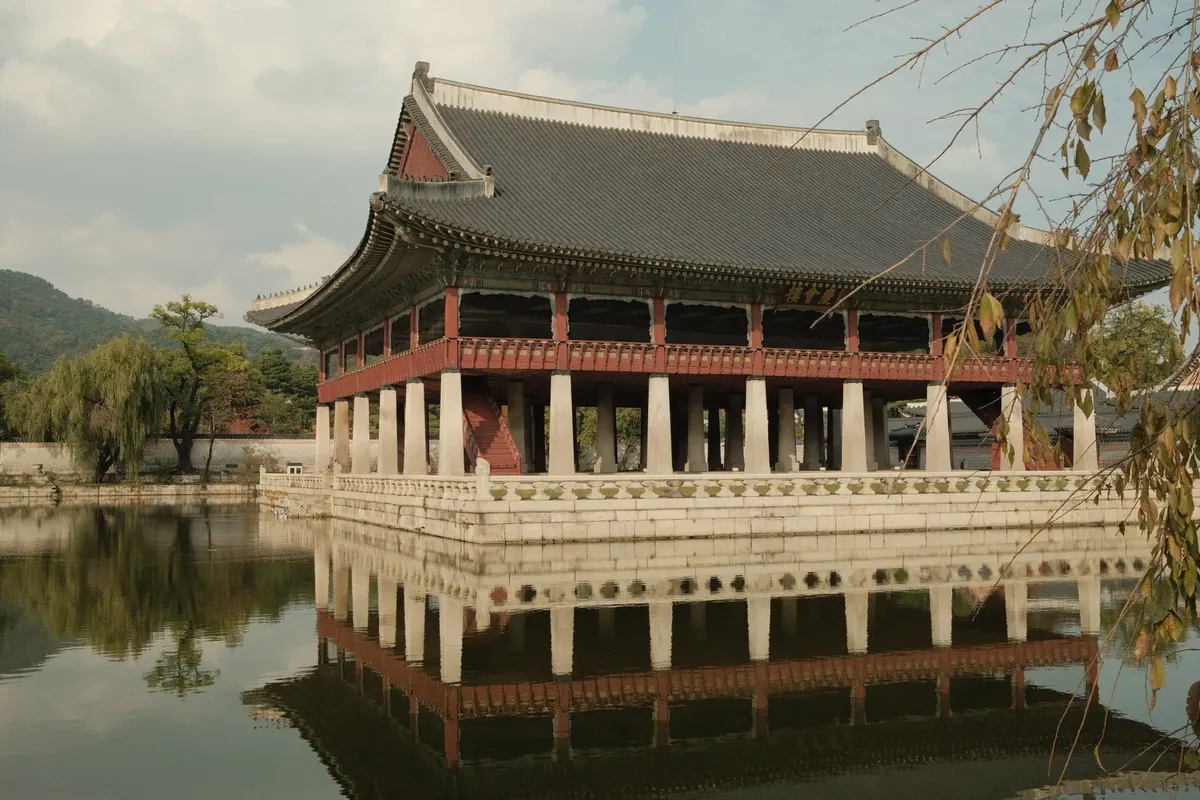
I remember hearing a live performance where the singer's voice carried the weight of centuries, reminding me of how much history resides in a single melody.
| Event | Year |
|---|---|
| South Korean UNESCO Submission | 2012 |
- How did Arirang roots shape its identity?
- How did international recognition change its status?
- What role did domestic heritage laws play?
The same subject is also called Old music modern form.
Related
- Trot singers audition journey: Impact on music industry
- Korean music copyright history: Why industry name changed
How does the song's international presence affect its local perception?
The global exposure of the Arirang melody influences how its local significance is perceived. Its inclusion in international broadcasting broadens the scope of its cultural meaning beyond regional confines.
This wider recognition can reinforce the song's status as a symbol of the entire Korean peninsula. The melody, once rooted in Jeongseon, gains an added layer of international resonance through these global platforms.
What are the implications of dual UNESCO recognition?
The dual submission of Arirang to UNESCO signifies a shared cultural asset between two nations. This parallel recognition underscores the song's deep historical connection to the peninsula's shared heritage.
The fact that both South and North Korea submitted the melody demonstrates a mutual acknowledgment of its intrinsic cultural value. This diplomatic action strengthens the narrative of Arirang as a unified cultural touchstone.
The integration of Arirang into modern media shows a dynamic relationship between tradition and contemporary life. The melody adapts to new technological landscapes while maintaining the essence of its historical roots.
This adaptation is crucial for ensuring the song's continued relevance across generations.
Preserving the melody requires careful management of its various forms. Respecting the original folk song variations is necessary alongside encouraging creative reinterpretations. This balance allows the Arirang melody to evolve without losing its foundational integrity.






Comments 0